Reliable Local LED Screen Rental Houston Providers Near You

Houston is home to a thriving events ecosystem: live concerts, corporate town halls, festivals, sporting events, trade shows, and community gatherings. Across each of these formats, LED video screens have become essential for improving visibility, engaging audiences, and delivering dynamic content. But not all LED screen rental experiences are equal — reliability, local responsiveness, technical competence, and planning discipline make the difference between a seamless production and a last-minute scramble.
This article focuses on how to identify and work with reliable local LED screen rental providers in Houston. It covers the types of LED screens you’ll encounter, technical specifications that matter, deployment and logistics considerations specific to Houston’s climate and venues, pricing models, and a practical checklist you can use when vetting vendors. There’s also a comparative analysis table showing representative local provider profiles so you can see how offerings and strengths commonly differ. Whether you’re an event planner, an AV manager, or a marketing professional, the goal is to give you a clear, actionable framework for selecting a local LED rental partner you can trust.
Why Reliability Matters for LED Screen Rentals
An LED screen is often the focal point of an event: it carries keynote decks, live video feeds, sponsor messages, and visual effects. If the display fails, the visual and informational backbone of the event collapses. Reliability matters for several reasons:
– Audience experience: High-visibility screens with consistent brightness and color calibration keep audiences engaged and prevent information loss.
– Brand reputation: A glitchy screen during a corporate event or product launch can undermine brand authority and distract from messaging.
– Operational risk: Timely delivery, setup, redundancy planning, and on-site technical support reduce the risk of downtime and costly schedule shifts.
– Safety and compliance: Proper mounting, weatherproofing for outdoor installs, and electrical safety directly affect attendee safety and legal compliance.
Local providers often have advantages: familiarity with Houston venues, faster response times, knowledge of local permitting requirements, and existing relationships with labor and logistics partners. Prioritizing reliability means you evaluate not just the physical screen, but the full-service competence: transport, crew, control systems, redundancy, and customer service.
Types of LED Screens and When to Use Them
Choosing the right LED screen depends on your event type, viewing distances, ambient light, and budget. Key screen types include:
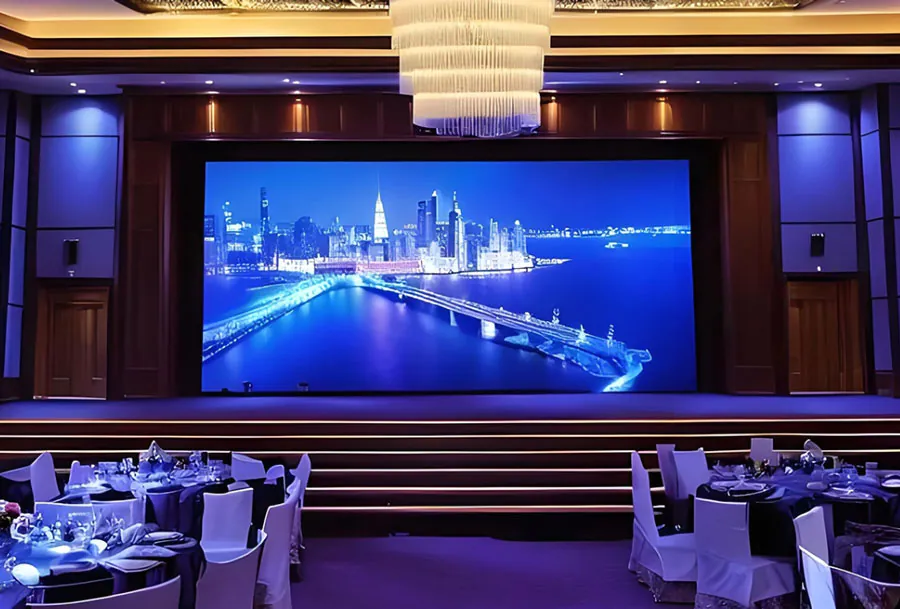
– Indoor Fine-Pitch LED: Pixel pitches typically range from 0.9mm to 3mm. Ideal for corporate presentations, indoor arenas, and trade show booths where audiences are close and image clarity is essential.
– Outdoor High-Brightness LED: Pixel pitches often 3mm to 10mm or larger. These units feature high nit ratings to remain visible in daylight and are ruggedized for weather exposure.
– Mobile Trailer LED Screens: Built into trailers for quick deployment at festivals and outdoor sporting events. Convenient for rapid setup and transport.
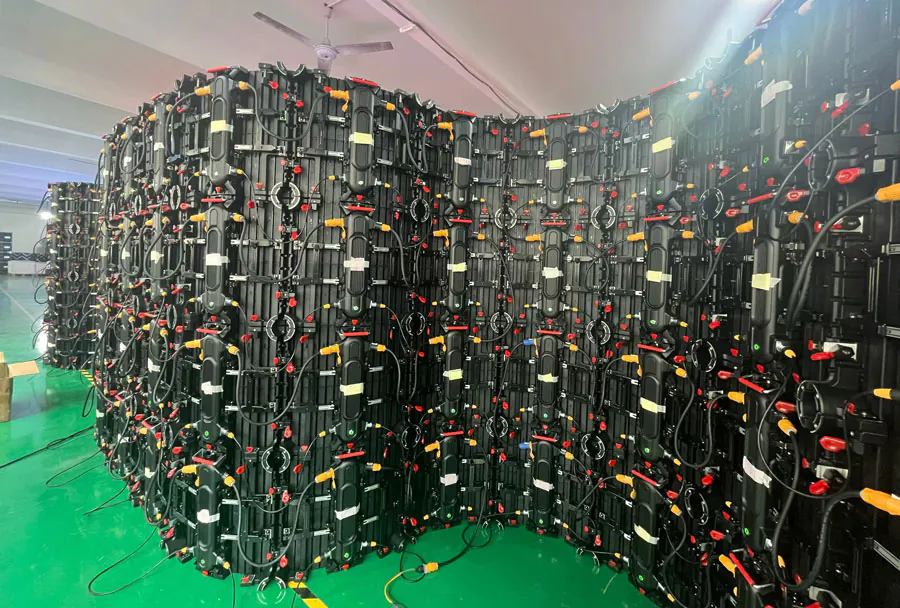
– Rental Video Walls (Modular Cabinets): Provide flexible aspect ratios and sizes for both indoor and outdoor use. Cabinets come in various pixel pitches and mount styles (ground stacks, flown).
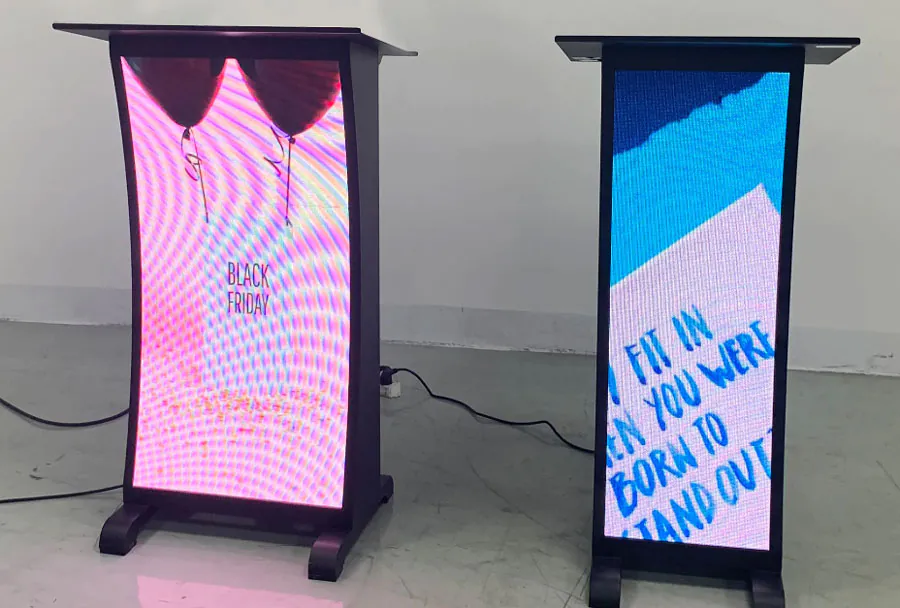
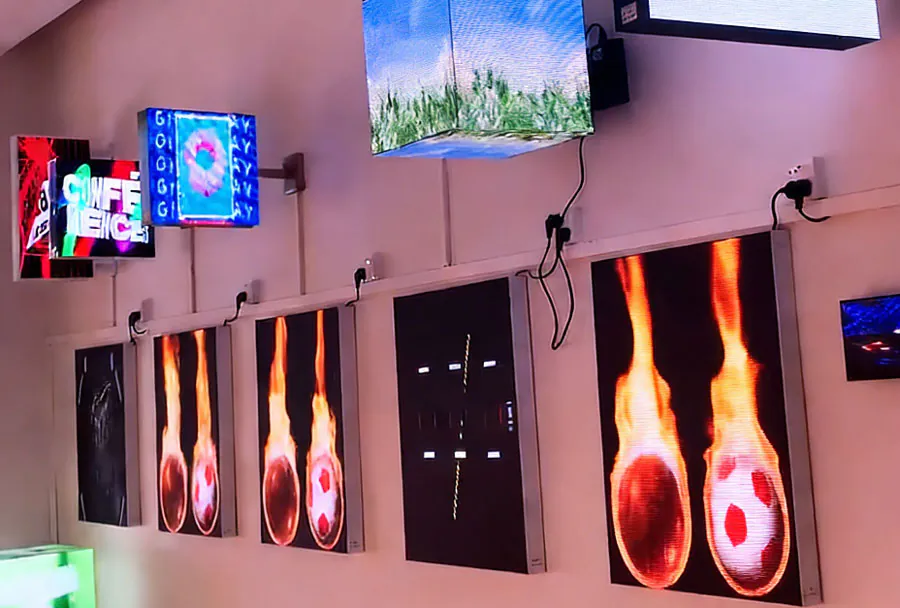
– Transparent/Creative LED: Used for stage facades and retail storefronts where see-through properties or artistic effects are desired.
When selecting a type:
– Use fine-pitch indoors when viewing distances are short (e.g., <20 ft).
– Use medium pixel pitch for medium distances and multi-purpose venues.
– Use larger pitches outdoors where viewers are farther away and ambient lighting is strong.
– Consider weatherproof ratings (IP65+ for outdoor) and physical rigging options for each model.
Representative Comparative Analysis Table
| Provider (Representative) | Screen Types Available | Typical Event Use | Estimated Price Range | Key Strengths |
|---|---|---|---|---|
| SpaceCity AV Rentals | Indoor fine-pitch, modular video walls, playback servers | Corporate events, trade shows, conferences | $1,200–$6,000/day (varies by size) | Attention to color calibration, experienced tech crew, venue familiarity |
| Bayou Outdoor Screens | Outdoor high-brightness cabinets, mobile trailer screens | Festivals, outdoor concerts, sporting events | $1,800–$10,000/day | Weatherproof equipment, rapid site mobilization, rigging capability |
| Gulf Coast Visuals | Hybrid indoor/outdoor rental cabinets, LED mesh, control systems | Concerts, immersive installations, marketing activations | $2,000–$12,000/day | Creative LED applications, content integration, onsite production management |
| MetroScreen Solutions | Mobile trailer units, large-format outdoor walls, projectors | Community events, screening nights, sporting events | $1,000–$8,000/day | Turnkey logistics, competitive pricing, multi-site deployments |
| Reliant Event Displays | Fine-pitch indoor, rental cabinets, LED control & playback | Board meetings, product launches, broadcast events | $1,500–$7,500/day | Broadcast-quality video integration, redundancy systems, experienced operators |

Notes on the table: These entries are representative profiles to illustrate how local providers typically differ by specialization, price bands, and strengths. When evaluating actual vendors, request current pricing, specific model numbers, service-level agreements, and client references.
What to Look for in a Reliable Local Provider
Evaluating a vendor should go beyond price alone. Key criteria include:
– Equipment inventory and condition: Ask for model numbers, pixel pitch options, brightness (nits), and age of inventory. Well-maintained gear with recent firmware and service records is a positive sign.
– Technical crew capability: On-site LED techs who understand calibration, mapping, and signal routing are essential. Confirm crew headcount, skill certifications, and shift coverage for long events.
– Redundancy and backup plans: Look for N+1 power strategies, backup media players, spare panels, and contingency plans for network or control failures.
– Local logistics and relationships: A vendor with local trucking, labor unions familiarity (if required), and knowledge of Houston’s venue restrictions will be more efficient.
– Installation and rigging expertise: For flown walls or complex ground stacks, ensure the vendor uses certified riggers and provides method statements and load calculations.
– Permits and insurance: Reliable providers assist with permit applications and carry appropriate general liability, equipment, and workers’ comp insurance.
– References and past projects: Ask for recent case studies and client references that match your event scale and type.
– Communication and project management: Clear points of contact, timelines, and documented change orders reduce misunderstandings.
Technical Specifications That Matter
Understanding technical specifications will help you match screen capabilities to your event needs.
– Pixel Pitch: Measured in millimeters (mm), pixel pitch determines resolution and ideal viewing distance. Smaller pitch = higher resolution for close viewing. Use the rule of thumb: optimal viewing distance (in feet) ≈ pixel pitch (mm) × 3.28 × 3–10 (varies by viewing scenario).
– Brightness (Nits): Outdoor screens typically require 5,000–8,000 nits for daylight visibility; indoor screens are often 800–1,500 nits. Higher brightness improves visibility but may require power and cooling considerations.
– Refresh Rate: Especially important for camera-to-screen feedback in live broadcasts — a higher refresh rate (e.g., 3,840 Hz or above) prevents flicker when filming.
– Contrast and Color Accuracy: Look for suppliers who calibrate color profiles and can produce consistent white balance across panels.
– Viewing Angle: Determines how the image looks from off-center positions. Wider viewing angles are better for broad audience layouts.
– Control System & Media Playback: Reliable providers use professional processors (e.g., Brompton, Novastar) and dependable media servers (e.g., Green Hippo, disguise). Confirm compatibility with your content formats and live inputs.
– Power Requirements: High-brightness outdoor walls require significant electrical power. Vendors should provide detailed power draws per cabinet and propose safe distribution plans.
– IP Rating and Durability: For outdoor uses, confirm IP65 or better for protection against dust and water ingress.

Deployment Considerations: Setup, Power, Mounting, and Weather
Houston’s climate and venue styles require specific deployment planning:
– Power Availability: Large LED walls can draw kilowatts of power. Always secure power manifests for the venue and plan for distribution panels, breakers, and dedicated generators if needed.
– Wind and Weather: Outdoor installations must account for wind load and potential storms. Use certified rigging, ballast systems, and contingency plans to lower or remove screens if severe weather is forecast.
– Permits and Venue Access: Public spaces and stadiums often require permits, stage certificates, and proof of insurance. Local providers usually assist with these filings and can recommend tested approaches for popular Houston venues.
– Freight and Load-in Windows: Coordinate loading docks, elevator sizes, and rigging restrictions in advance. Confirm timings for load-in, sound checks, and rehearsals.
– Cable Runs and Signal Integrity: For larger setups, long cable runs may require fiber or signal boosters. Assess latency sensitivity (especially for live feeds) and plan for signal redundancy.
– Integration with Sound and Lighting: Ensure video screen placement doesn’t block sightlines or interfere with lighting rigs. AV providers should collaborate with lighting and sound teams to optimize staging.
Cost Factors and Pricing Models
Pricing varies widely based on screen size, pixel pitch, duration, required crew, transportation, and venue complexity. Common pricing considerations:
– Daily vs. multi-day rates: Most vendors offer discounted multi-day or week rates.
– Setup and teardown fees: Flat or hourly crew rates for rigging and de-rigging are common.
– Transport and logistics: Distance, truck size, and labor hours affect cost — local vendors can reduce transit time and cost.
– Power/generator cost: If the venue lacks sufficient power, generator rentals and fuel add to budget.
– Content services: Media playback, content mapping, and live switching typically cost extra.
– Insurance and permits: Fees for permits, venue insurance requirements, and union labor (if applicable) may be added.
– Emergency support: 24/7 standby or technician overtime is usually billed separately.
To control costs, be specific about required screen dimensions and pixel pitch, consolidate power and control systems, and allow vendors adequate lead time to plan logistics.
Common Challenges and How Reliable Providers Solve Them
Challenge: Last-minute panel failure or dead pixels.
Solution: Vendors carry spare panels and maintain on-site replacement kits. They also use mapping tools to isolate faults quickly.
Challenge: Brightness wash-out under midday sun.
Solution: Providers specify high-nit outdoor modules and position screens to minimize glare. They may add shading or auxiliary displays for shaded audience areas.
Challenge: Rigging and safety compliance.
Solution: Use vendors with certified riggers, complete load calculations, and documented method statements. They coordinate with venue engineers for approvals.
Challenge: Signal flicker when the event is filmed.
Solution: Choose screens and controllers with high refresh rates and confirm camera shutter compatibility during rehearsals.
Challenge: Unclear responsibilities between production and venue.
Solution: Request a single point of contact for AV logistics and a written run-of-show and site plan clarifying responsibilities.
Case Study Examples (Representative)
Case Study 1: Corporate Product Launch (Indoor)
A tech company needed a 30′ x 10′ fine-pitch LED wall for a product launch at a downtown Houston ballroom. The chosen local vendor provided a 1.9mm modular wall, calibrated for true-to-brand color, and integrated a broadcast-quality media server. The vendor scheduled a daytime rehearsal, provided two dedicated operators, and used redundant playback systems. Outcome: Smooth transition between live demo, pre-produced content, and live camera feeds — event closed on time and received positive attendee feedback.
Case Study 2: Outdoor Festival Main Stage
A weekend festival required a 20′ x 12′ high-brightness LED wall for the main stage. The vendor supplied IP65-rated cabinets, a mobile power distribution system, and wind-rated truss mounts. The team implemented redundant signal paths and held on-site spares. Outcome: Despite a brief afternoon shower and gusty winds, the show proceeded without interruption. The vendor’s safety and contingency planning prevented delays.
Checklist Before You Book a Local LED Rental Provider
– Confirm screen model numbers, pixel pitch, brightness, and age of inventory.
– Request a site plan: screen placement, sight lines, power sources, and cable routes.

– Verify control systems and media playback compatibility with your content.
– Ask for detailed quotes covering setup, teardown, transport, crew, and contingency costs.
– Review insurance certificates and request vendor liability limits and worker coverage.
– Confirm crew qualifications: rigging certifications, headcounts, and shift schedules.
– Ask for redundancy strategies: spare panels, backup players, secondary power.
– Request recent references and examples of similar Houston productions.
– Agree on a written run-of-show, load-in/out schedule, and cancellation/change policy.
– Discuss weather contingency plans for outdoor events and plan lowering/locking strategies.
– Validate permitting responsibilities and confirm who will apply/submit required documents.
– Schedule a technical rehearsal and content-check window well before the show.
Working with Local Vendors: Practical Tips
– Start early: Secure inventory and crew months in advance for busy seasons (festival summer months and holiday corporate season).
– Plan site visits: A site walk with the vendor identifies obstacles and avoids surprises.
– Centralize communication: Designate one production manager to streamline decisions and avoid conflicting directions.
– Test content early: Provide test media files and run them through the vendor’s playback system during rehearsals.
– Negotiate Service Level Agreements (SLA): Define uptime expectations, response times for issues, and penalties if the vendor fails to meet agreed standards.
– Build a local contingency network: Even if you choose one primary vendor, know alternative local providers in case of equipment shortages or schedule conflicts.
Choosing reliable local LED screen rental providers in Houston comes down to balancing technical specifications, operational competence, and local knowledge. The best providers bring more than hardware — they contribute planning discipline, safety awareness, and production expertise that reduce risk and enhance audience impact. Use the checklist and analytical approach in this article to evaluate vendors, clarify expectations, and secure a partner who can deliver a seamless visual experience for your event. When reliability is non-negotiable, prioritize local partners with demonstrable experience, clear contingency plans, and the right equipment for your venue and audience.