LED Screen Rental & Installation Services

Choosing professional LED display screen rental with full installation and support is a strategic decision for event managers, marketers, corporate planners, and production teams. Instead of buying an LED display outright — which involves high capital expenditure, storage, and maintenance — renting combined with expert installation and on-site technical support gives organizations flexibility, predictable costs, and access to the latest display technology. This article outlines the advantages, specifications to consider, installation and logistics best practices, support models, pricing factors, risk management, and how to select a reliable provider. It also includes an analytical table to compare common rental packages and a checklist to ensure a smooth rental experience.
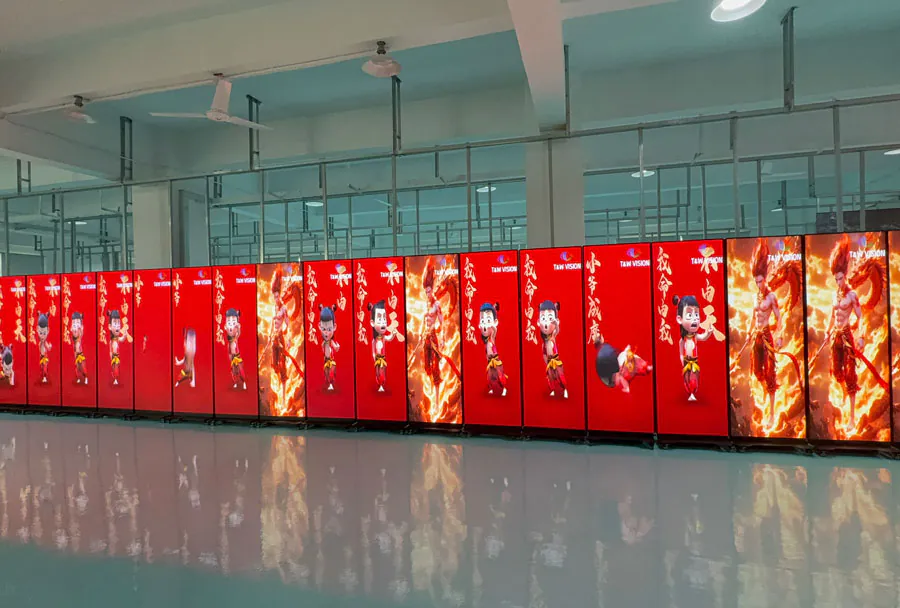
Followed is a YOUTUBE video about TW VISION’S rental usage led podium.
Why Rent a Professional LED Display?
Renting a professional LED display is ideal for short-term events, seasonal campaigns, or when the display requirements vary between projects. The main advantages include:
– Cost efficiency: Renting eliminates the upfront capital needed to purchase large-format LED walls and reduces long-term maintenance expenses.
– Scalability and flexibility: Renters can choose screen sizes, pixel pitches, and configurations tailored to each event.
– Access to the latest technology: Rental inventories often include current-generation panels with higher brightness, refined calibration, and better heat management.
– Reduced logistics burden: Reputable rental companies provide transport, setup, and teardown services, saving time and labor.
– On-site expertise: Professional installation and real-time technical support minimize downtime and ensure optimal image quality.
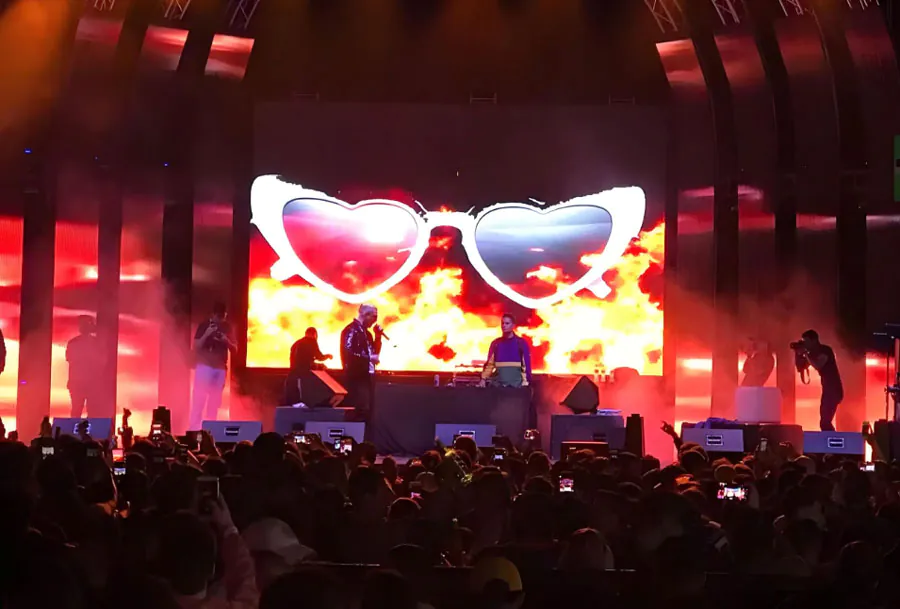
These advantages become especially important for live events, trade shows, concerts, sports broadcasts, corporate town halls, fashion shows, and temporary retail experiences.
Key Technical Considerations When Choosing a LED Display Screen Rental
Pixel Pitch and Viewing Distance
Pixel pitch (measured in millimeters) determines image resolution and the optimal viewing distance. A smaller pixel pitch (e.g., 1.2–2.5mm) is suitable for close viewing — corporate meeting rooms, broadcast studios, or indoor exhibitions. Larger pixel pitches (3mm–10mm+) are appropriate for events where audiences view the screen from farther away, such as outdoor concerts or stadium signage.
Brightness and Contrast
Brightness (measured in nits or cd/m2) is critical for outdoor events or venues with significant ambient light. Outdoor rental LED screens often offer 5,000–7,000 nits for direct sun readability, while indoor displays usually range from 800–2,500 nits. Contrast ratio and HDR capabilities also affect picture richness, particularly for video playback.
Cabinet Size, Weight, and Rigging
Consider the cabinet size and weight for transport, rigging, and structural load limits. Rental providers should supply load calculations and certified rigging when the LED screen is flown or mounted on a temporary structure.
Refresh Rate and Scanning
Refresh rate impacts motion fidelity and reduces flicker on camera. For events involving broadcast or live streaming, choose panels with high refresh rates (typically 3,840Hz or higher, or manufacturer guarantees for broadcast-safe performance).
Control Systems and Inputs
Confirm compatibility with common signal sources (HDMI, SDI, DVI, DisplayPort), media servers, and show control systems. Look for providers that offer integrated playback solutions and video processors for multi-window layouts and warping/blending.
Installation: Best Practices from Planning to Execution
Pre-Event Site Survey
A professional rental provider conducts a pre-event site survey to assess power availability, rigging points, sightlines, sight-blocking obstacles, audience viewing distances, and local regulations. This survey informs the optimal screen size and pixel pitch, as well as the logistics plan for delivery and setup timelines.
Power and Environmental Requirements
LED walls demand stable power delivery with appropriate distribution and surge protection. For outdoor events, weatherproofing and drainage considerations are essential. The rental company should specify power loads (amps and circuits required) and supply cable runs or generators when necessary.

Rigging, Ground Support, and Structural Safety
Whether the screen is ground-stacked, wall-mounted, or flown, the installation must adhere to local codes and safety standards. Use certified rigging hardware and qualified riggers. For large screens, include wind-load calculations and contingency plans for high-wind events.
Seamless Panel Alignment and Calibration
Professional installation requires pixel-level alignment, color calibration, and brightness uniformity adjustments. Providers use calibration tools and software to ensure consistent color temperature and gamma across the entire screen.
Integration with Audio and Lighting
Coordinate placement and brightness with stage lighting to prevent washout, and integrate video timing with audio playback to maintain synchronicity. A well-planned front-of-house layout minimizes signal latency and ensures sightlines for cameras and attendees.
Support Models: What “Installation & Support” Should Include
A robust rental package with installation and support typically includes the following tiers:
– Pre-event consultation and site survey
– Transport and on-site setup/teardown
– System testing and calibration
– On-site technician(s) during load-in, rehearsal, and showtime
– Spare parts inventory (power supplies, data cards, spare panels)
– Remote monitoring and diagnostics capability
– Post-event debrief and damage assessment
The response times and SLAs should be clearly stated in the contract. For high-stakes events, consider dedicated on-site technicians for the event duration.
Pricing Factors and Cost Breakdown
Costs for renting LED displays vary according to screen size, pixel pitch, rental duration, installation complexity, travel distance, and support level. Typical pricing components:
– Base rental fee (per square meter or per cabinet)
– Installation and labor charges (rigging, electricians)
– Transportation and logistics
– Power distribution and generator rental (if needed)
– Technical support and standby staffing
– Insurance and damage waiver fees
– Optional extras (media server, content design, broadcast interfaces)
To help illustrate typical rental package options and costs, the following table presents a comparative analysis across five common rental configurations.
Analysis Table: Comparative Rental Packages
| Package | Typical Screen Size (m²) | Pixel Pitch | Typical Events | Typical Price Range (USD) |
|---|---|---|---|---|
| Compact Indoor | 6–12 | 1.5–2.6mm | Corporate meetings, press rooms, small exhibitions | $1,200–$3,000 per day |
| Medium Indoor/Outdoor | 12–25 | 2.5–4mm | Conferences, product launches, medium trade shows | $3,000–$7,500 per day |
| Large Indoor/Outdoor | 25–60 | 3–5mm | Large conferences, concert backdrops, festivals | $7,500–$20,000 per day |
| Outdoor Festival / Stadium | 60–200+ | 4–10mm+ | Outdoor concerts, sports signage, large public displays | $20,000–$100,000+ (event-dependent) |
| High-Definition Broadcast | 6–30 | 0.9–1.8mm (fine pitch) | TV studios, high-end corporate broadcasts, fashion shows | $4,000–$25,000 per day (depending on size) |
Note: Prices are indicative and vary by market, season, and the specific provider’s inventory. Installation labor and travel can significantly affect final costs.
Risk Management, Insurance, and Safety
When renting an LED screen, clarify liability, insurance, and potential damage responsibility. Key elements include:
– Damage waiver and deductible amounts
– Temporary event insurance requirements
– Certificates of insurance for venue and third-party contractors
– Compliance with local building and electrical codes
– Safety plans for rigging and crowd interaction zones
– Redundancy plans for critical events (backup processors, spare panels, alternate power sources)
Include a clause in the contract for force majeure and protocols for emergency evacuations or severe weather. For outdoor events, ensure the rental provider has a policy and plan for wind-related contingencies.

Content and Media Considerations
High-quality content is essential to maximize the visual impact of an LED screen. Consider the following:
– Native resolution: Provide media optimized for the screen’s pixel count and aspect ratio to avoid scaling artifacts.
– File formats: Use uncompressed or lightly compressed formats for best quality (ProRes, DNxHD for video; PNG or TIFF for stills).
– Color management: Work with the rental provider to set color profiles and ensure accurate reproduction.
– Frame rate and sync: Match the media frame rate to the display and camera systems for broadcast compatibility.
– Playback systems: Confirm available media servers and timeline control tools for playout, transitions, and multi-zone layouts.
If content creation isn’t in-house, many rental providers offer content design and playback services as add-ons.
Choosing the Right Rental Provider: A Checklist
Selecting a provider involves more than price. Use this checklist when evaluating vendors:
– Inventory and technology: Do they have the pixel pitch and brightness options you need?
– Experience: Have they done events similar in size and complexity?
– Certifications: Are riggers, electricians, and technicians certified?
– References and case studies: Can they provide client testimonials and past event documentation?
– On-site support: What is their response time? Do they offer dedicated technicians?
– Spare inventory: Will they bring spare panels, power supplies, and data cards?
– Logistics capability: Can they handle venue access constraints, customs (for international events), and transport?
– Transparent contracts: Are pricing, SLAs, and liability terms explicit?
– Compliance: Do they provide load calculations and insurance documentation?
Common Challenges and How to Overcome Them
– Weather exposure for outdoor screens: Use weather-rated panels, properly rated enclosures, and waterproof connectors. Keep real-time weather monitoring and have cancellation or weather mitigation clauses.
– Power instability: Deploy UPS systems, voltage regulators, or on-demand generators. Pre-event power tests are essential.
– Sync issues with broadcast cameras: Prioritize high refresh-rate panels and coordinate with camera engineers to test for flicker or scanning artifacts.
– Unexpected venue constraints: Conduct a thorough site visit well in advance, including door clearances, loading dock availability, and route for moving large cabinets.
– Content scaling problems: Always provide pre-event content tests and allow time for adjustments during rehearsals.
Case Study Examples
1) Corporate Product Launch: A tech company rented a 30m2 indoor LED wall at 1.9mm pixel pitch for a product launch. The rental included a media server, on-site techs, and color calibration. The result was a crisp, camera-ready backdrop for live streaming, with minimal latency and synchronized audio playback.
2) Outdoor Music Festival: Organizers used two 120m2 outdoor LED screens with 6mm pixel pitch. The rental provider supplied wind-rated truss structures, generators, on-site maintenance crews, and redundancy modules. They implemented a weather contingency plan that reduced downtime during a brief storm.
3) Broadcast Studio: A television studio rented a fine-pitch 1.2mm LED Video Wall for a limited series. The provider supported integration with camera tracking and offered broadcast-grade refresh rates and waveform calibration for live broadcasts.
Contracting, SLAs, and Final Tips
Ensure your rental agreement includes:
– Clear delivery and pickup windows
– Labor rates and hours included (setup, rehearsals, show time, teardown)
– Support scope and emergency response times
– Damage and deductible terms
– Payment schedule and cancellation penalties
– Detailed equipment list with serial numbers and condition notes
Final tips:
– Book early to secure desired equipment and technicians, especially in peak seasons.
– Run a full technical rehearsal with all systems connected at least one day before the event.
– Keep a single point of contact on-site for coordination with the rental company.
– Retain a written change-order process for last-minute adjustments to scope or equipment.
Conclusion: Maximizing Value from Your Rental
Renting a professional LED display with installation and support is a cost-effective, low-risk way to deliver a high-impact visual experience. By selecting the right pixel pitch, confirming power and rigging requirements, negotiating clear SLAs, and ensuring strong on-site technical support, event organizers can avoid common pitfalls and achieve broadcast-caliber results. The combination of professional installation, robust support, careful content preparation, and thorough risk management will elevate your event while keeping costs and operational complexity manageable.

Frequently Asked Questions
How far in advance should I book the service?
It is best to book as early as possible, especially for large events or peak seasons. Early planning gives the team time to review the venue, confirm the layout, and prepare the right equipment. For the smoothest results, LED Screen Rental & Installation Services should be reserved before finalizing the run of show so technical details can be aligned with the event schedule.
Are these services suitable for both indoor and outdoor events?
Yes. A qualified provider can recommend the right brightness, enclosure, and pixel pitch for either environment. Indoor conferences, outdoor festivals, and hybrid events can all benefit when the setup is matched to the venue. With professional LED Screen Rental & Installation Services, the display can be configured for sunlight, viewing distance, and weather conditions as needed.
What kind of content works best on LED screens?
Short videos, motion graphics, speaker slides, branded loops, live camera feeds, and sponsor messages all perform well. The key is to format the content correctly for the chosen screen size and resolution. Teams that offer LED Screen Rental & Installation Services can usually advise on aspect ratio, file type, and playback requirements so the visuals look sharp and consistent.
Do I need to handle installation myself?
No. In most cases, installation should be handled by trained professionals because screen assembly, rigging, power management, and calibration require specialized knowledge. Choosing experienced LED Screen Rental & Installation Services reduces safety risks and helps ensure the display is ready on time. This also frees your team to focus on speakers, guests, and production flow.